
The Gulf–Europe Corridor: Logistics as a Strategic Variable
For companies trading between Europe and the Gulf, logistics stopped being a purely operational matter in late 2023, when attacks on shipping in the Red Sea pushed a large share of Asia–Europe traffic around the Cape of Good Hope, adding roughly ten to fourteen days of transit and materially changing freight economics.
Why the UAE position holds
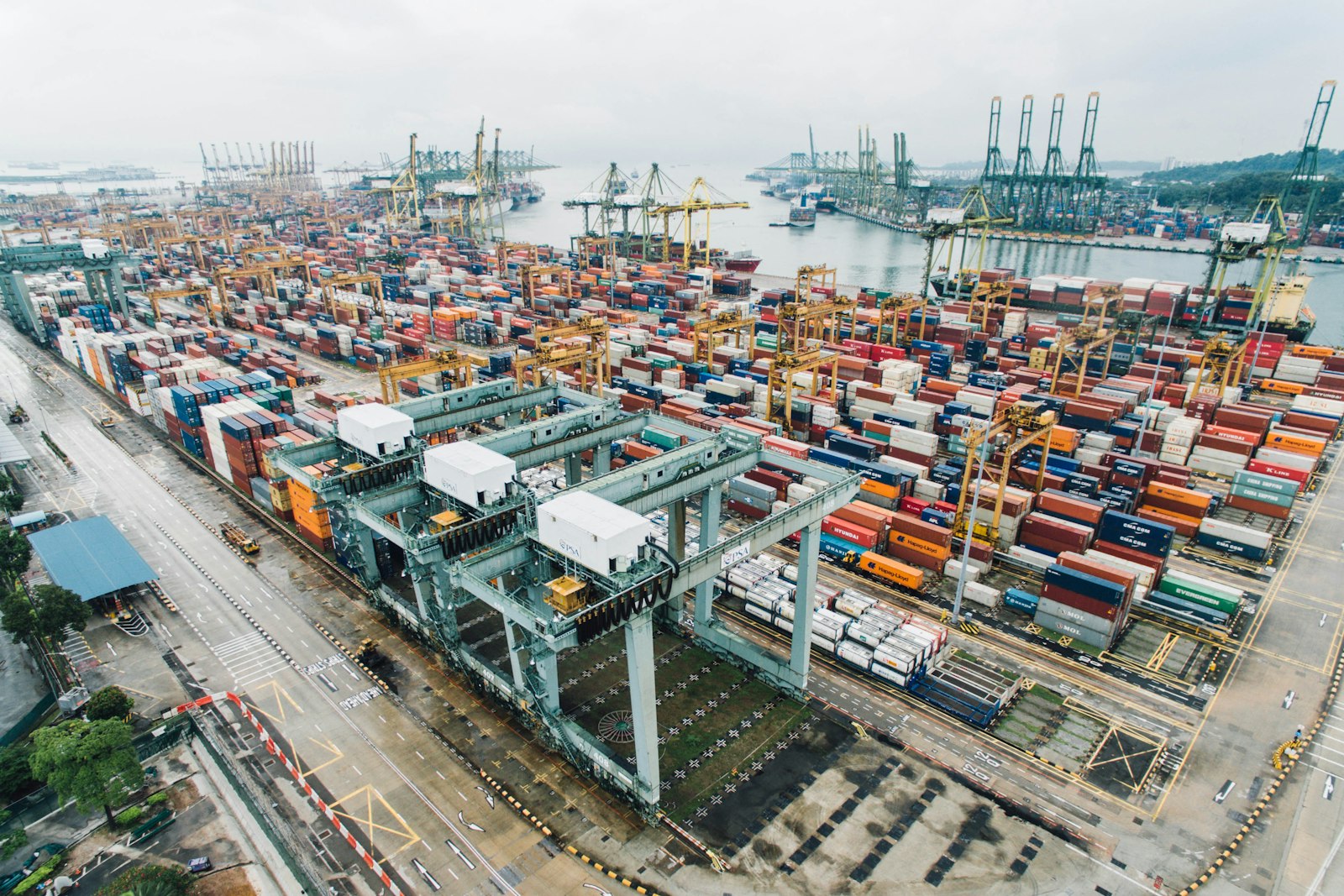
Jebel Ali remains one of the largest container ports outside East Asia, and Khalifa Port in Abu Dhabi has expanded rapidly. Combined with free zone customs treatment, this supports a re-export model: consolidate in the UAE, distribute across the GCC, East Africa and South Asia.
What changes for planning
Longer and less predictable lead times mean higher safety stock, contractual review of Incoterms and delivery penalties, and a serious look at regional warehousing instead of shipping every order from Europe.
Where it becomes strategy
Once regional stock exists, pricing, after-sales and partner agreements all shift. Companies that treat this as a procurement adjustment lose the advantage; those that treat it as a distribution redesign gain a durable one.
How we work on it
We map the corridor with the client — routes, customs treatment, partner warehousing, service levels — and translate it into a distribution model their board can approve and their operations can run.